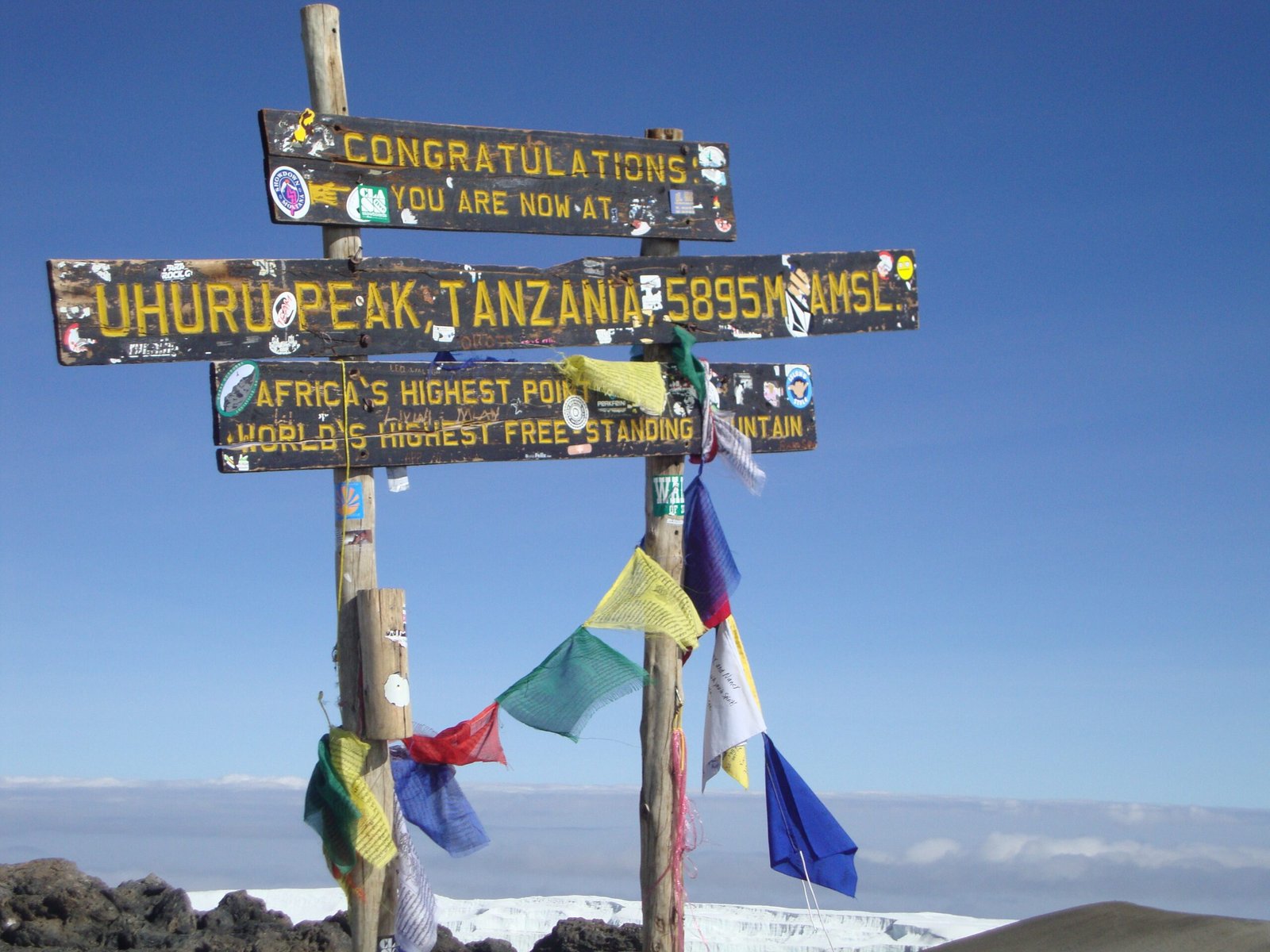
Short answer: Start with the park fees, because they are fixed and the same whoever you book with. On TANAPA’s current tariff for non-resident adults, park fees alone come to about $690 per climber for a 6-day Machame climb and $810 for 7 days. Everything on top of that — crew wages, food, tents, transfers — is the operator’s package, and that is where prices really differ. This guide breaks down where the money goes, so you can judge any quote in minutes.
1. Park fees: the fixed part of every climb
Kilimanjaro National Park charges every climber the same fees, set by TANAPA (Tanzania National Parks). For non-resident adults the current rates are:
| Park fee | Rate | Charged |
|---|---|---|
| Conservation fee | $70 per person | Per day in the park |
| Camping fee | $50 per person | Per night (Machame is a camping route) |
| Rescue fee | $20 per person | Once per climb |
So the maths is simple. A 6-day climb: 6 × $70 + 5 nights × $50 + $20 = $690. A 7-day climb: 7 × $70 + 6 × $50 + $20 = $810. That is before a single guide, porter or meal is paid for — and it is also why one extra day costs more, as we explain in our Machame 6-day vs 7-day comparison. If a quote looks cheaper than the park fees plus a fair crew bill, something in it is not being paid for.
2. Your crew: the biggest part of the package
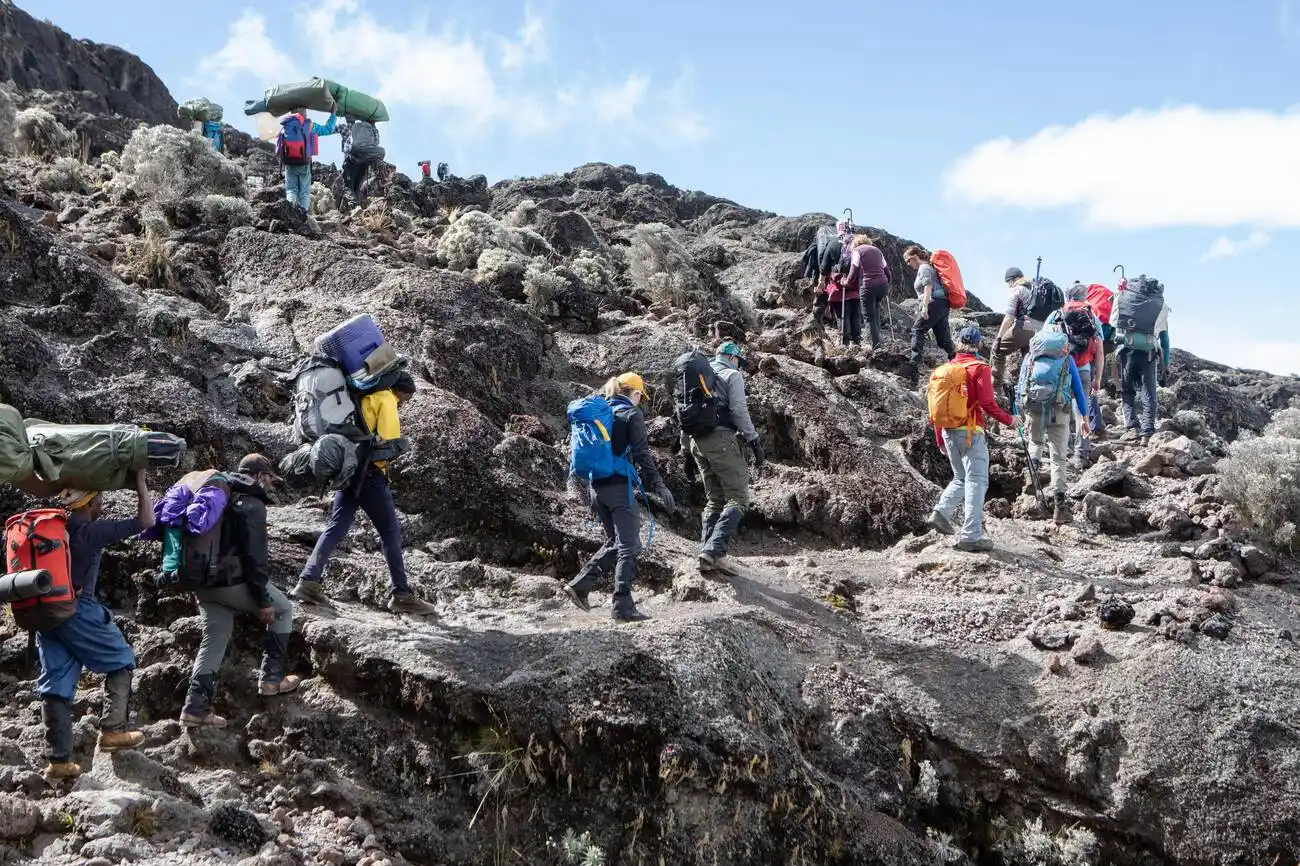
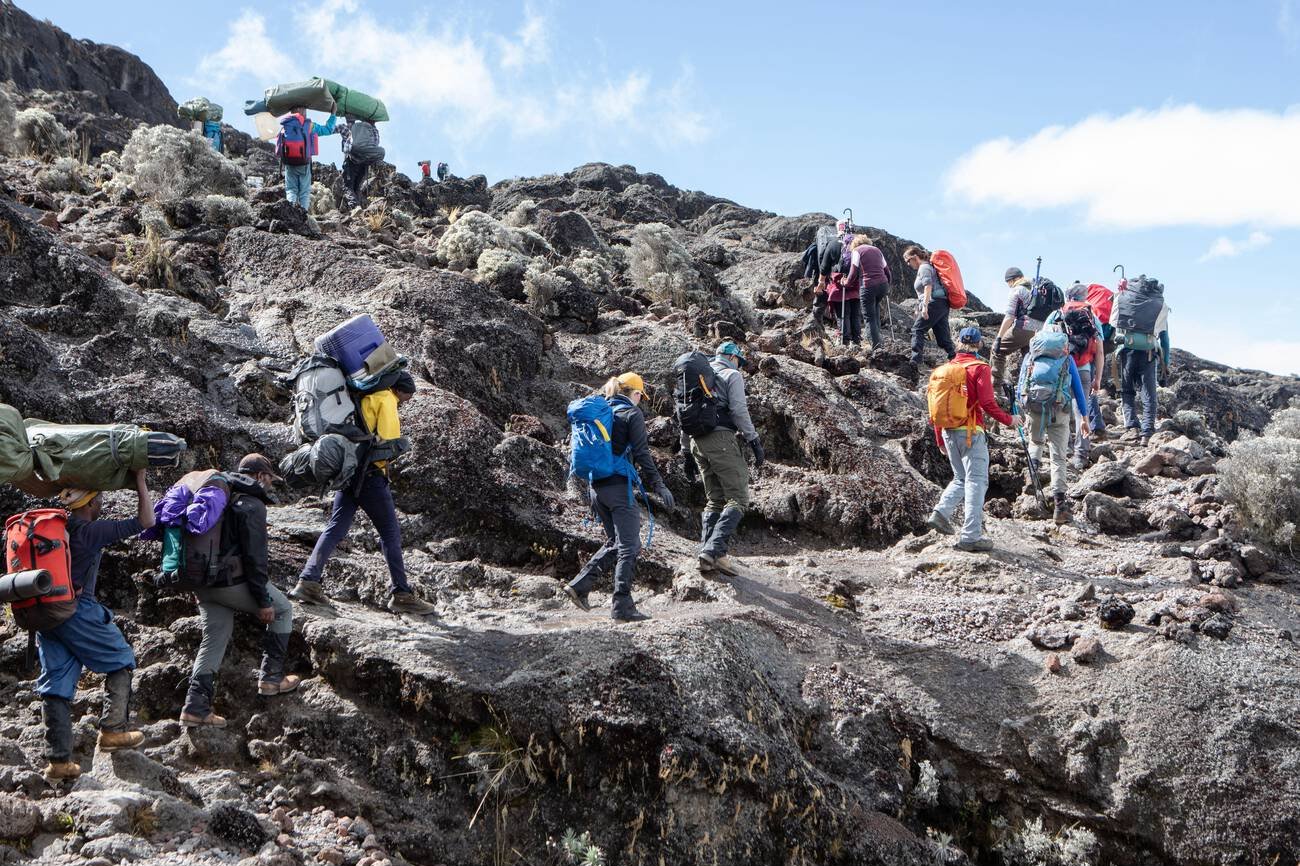
A Kilimanjaro climb is a small expedition. Behind every climber is a team — a lead guide, assistant guides, a cook and porters who carry tents, food and equipment up the mountain ahead of you. Their wages, their own park fees, their food and their transport home all come out of your price. This is usually the largest single part of a package after park fees, and it should be: a well-paid, well-fed crew is a safety feature, not a luxury.
3. Food, tents and mountain equipment
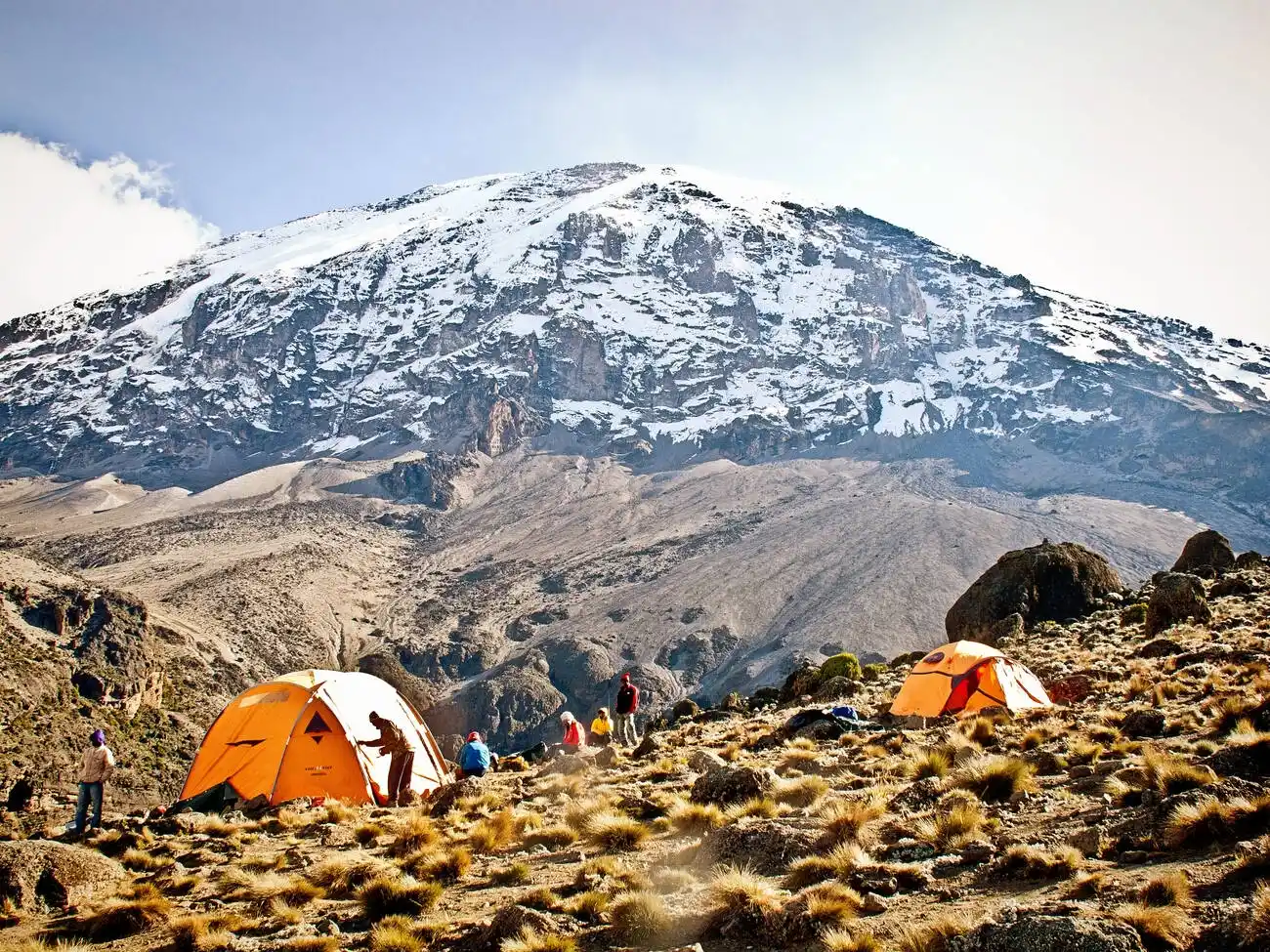
Three meals a day at altitude, drinking water, tents, sleeping mats, a mess tent and cooking gear — all of it is carried up and down the mountain for you. Better food and sound, waterproof equipment cost more to buy, maintain and replace. On a camping route like Machame there is no lodge to fall back on: the camp in your price is the camp you sleep in.
4. Transfers, hotel nights and gear
- Transfers: Moshi to the gate and back — about 45 minutes each way to Machame Gate.
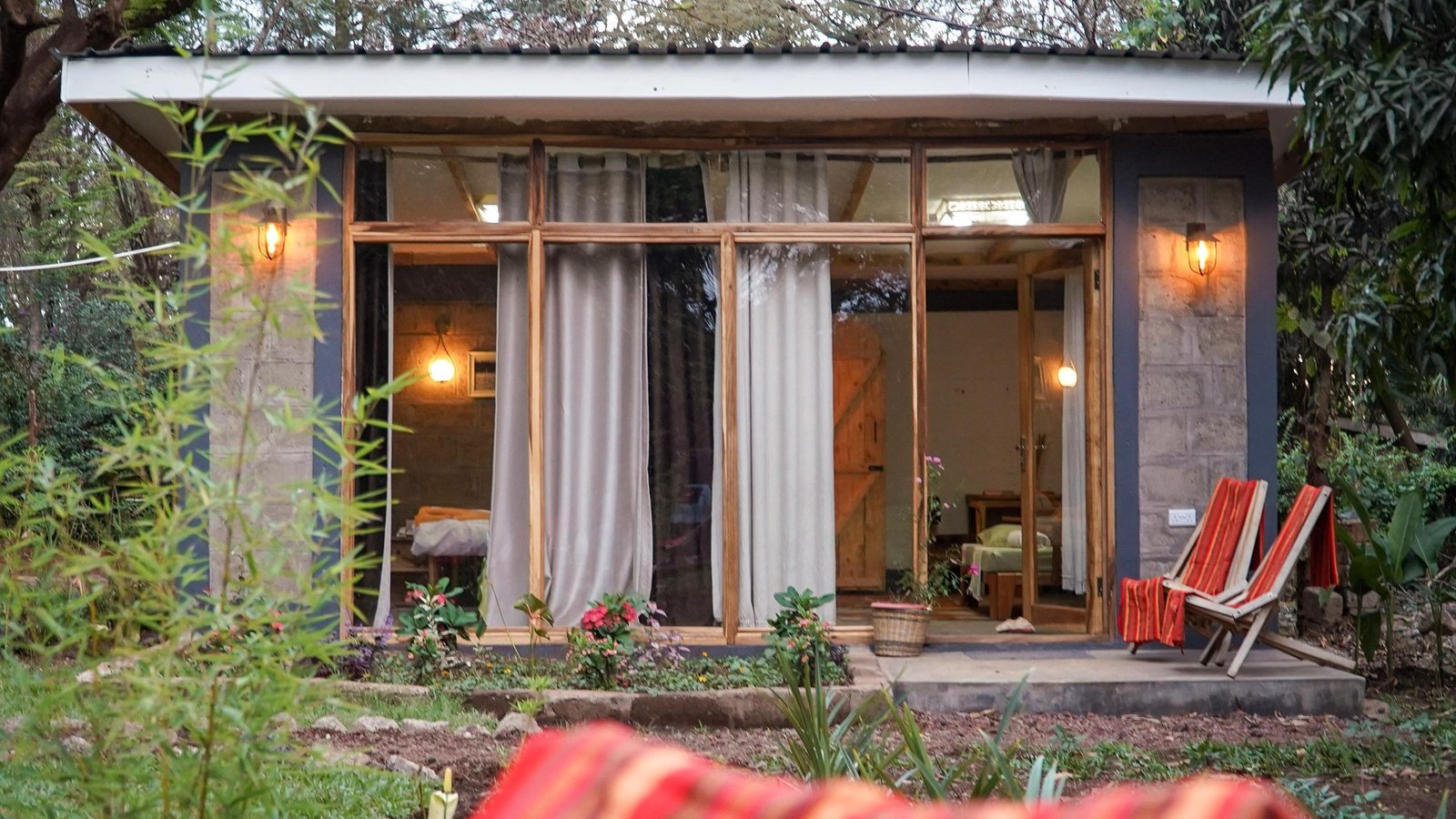
- Hotel nights: most climbers stay in Moshi the night before and the night after. Check whether your quote includes them; ours are at Walk With Us Africa Boutique Hotel.
- Gear rental: warm layers, sleeping bags and poles can be rented in Moshi if you do not own them — a small cost that beats buying everything new.
What is usually not included
- Tips for the crew. Tipping is a normal, expected part of Kilimanjaro culture and is normally paid separately at the end of the climb. Ask any operator how their tipping works before you book, and budget for it from day one.
- Travel and rescue insurance that covers high-altitude trekking — essential, and yours to arrange.
- Personal items: your own clothing and boots, visas, flights and drinks off the mountain.
Why the cheapest quote should worry you
Park fees cannot be discounted — they are set by the park. So when one quote is far below the rest, the saving is coming from the only places it can: crew wages and food, an oversized group, tired equipment, or fewer days on the mountain. Each of those cuts your comfort or your summit chances, and the crew carries the rest. A fair price is not the highest price — it is the one the operator can explain, line by line.
How to compare two quotes in five minutes
- Same days? A 6-day quote will always beat a 7-day one on price — and lose on acclimatisation.
- Park fees included? Ask directly. At roughly $690–$810 per climber, it changes the comparison completely.
- Who is in the crew, and how are they paid? A good operator answers this proudly.
- Group or private? Sharing a climb lowers the per-person price; a private climb costs more and moves at your pace.
- Hotel nights and gear included? Add what is missing before you compare totals.
The bottom line
A Kilimanjaro climb costs what it costs because the park charges real fees and a team of people works hard at altitude to get you up safely. Judge quotes by what they include, not just the headline number. Our Machame 6-day and Machame 7-day climbs are priced on exactly this breakdown — tell us your dates and group size and we will quote you with the lines shown, not hidden.