Short answer: Yes, you can climb Kilimanjaro in the short rains, and some climbers love it: empty trails, green slopes, moody skies. But this season is wetter than normal. Forecasters expect a strong El Niño to stretch the rains into January 2027, with the heaviest rain in November. Already booked? Go prepared and flexible. Still choosing dates? Late January to February 2027 is the safer window this season. Here is the honest picture from a team based in Moshi.
What does the forecast actually say?
Tanzania’s weather outlook for the October to December short rains, echoed by regional climate forecasts, points one way: above-normal rain for the north, including Kilimanjaro. The rains peaked in November and may run into January instead of ending cleanly in December. That is a forecast, not a promise, but it is one to plan around, not ignore.

What will it actually feel like on the mountain?
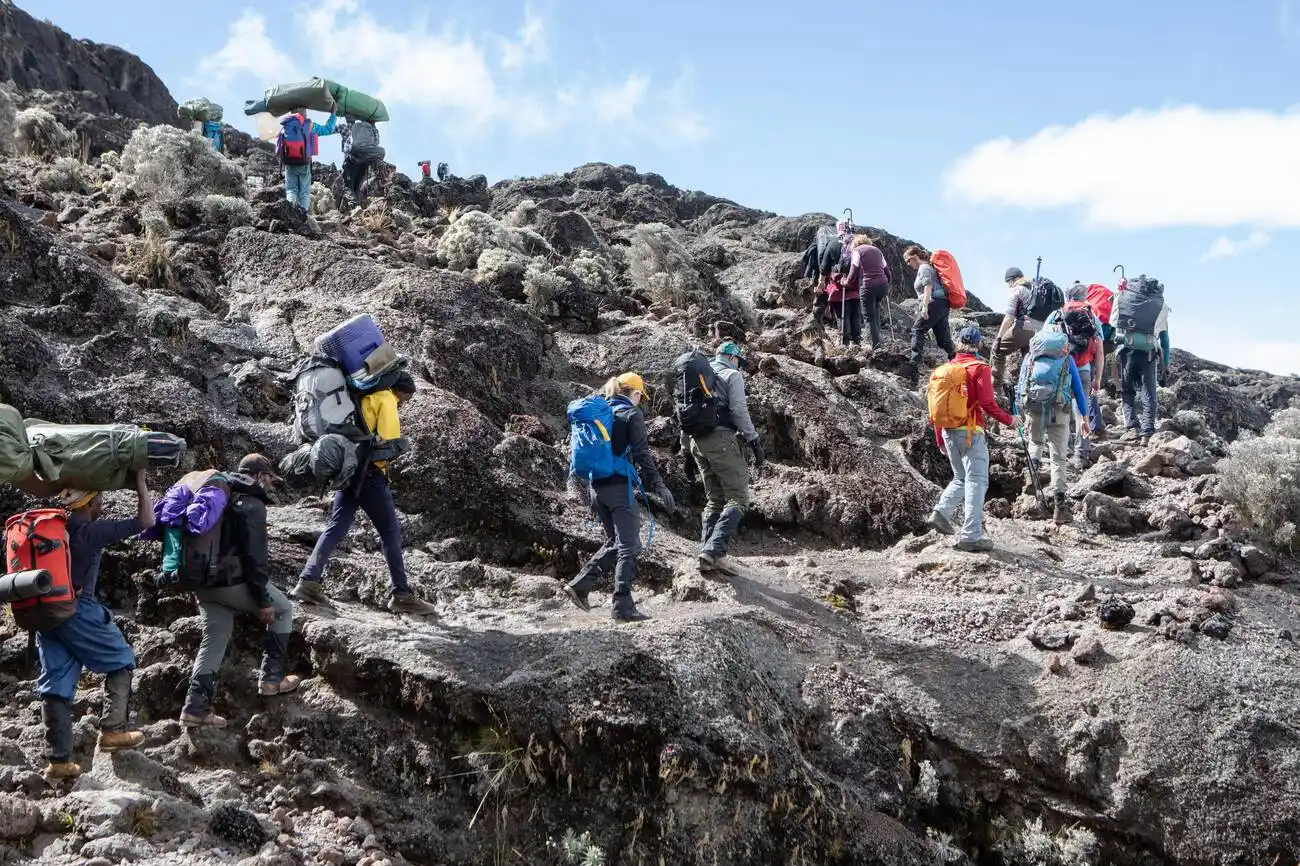
- A wet, muddy forest. The first days on Machame are always damp. In the short rains, expect proper mud and slippery trails.
- Cloud instead of views, some days. Clear mornings happen, and clear dawns still happen, but the famous summit views are less certain.
- Colder-feeling summit nights. Wind plus moisture bites. Your layers have to be right.
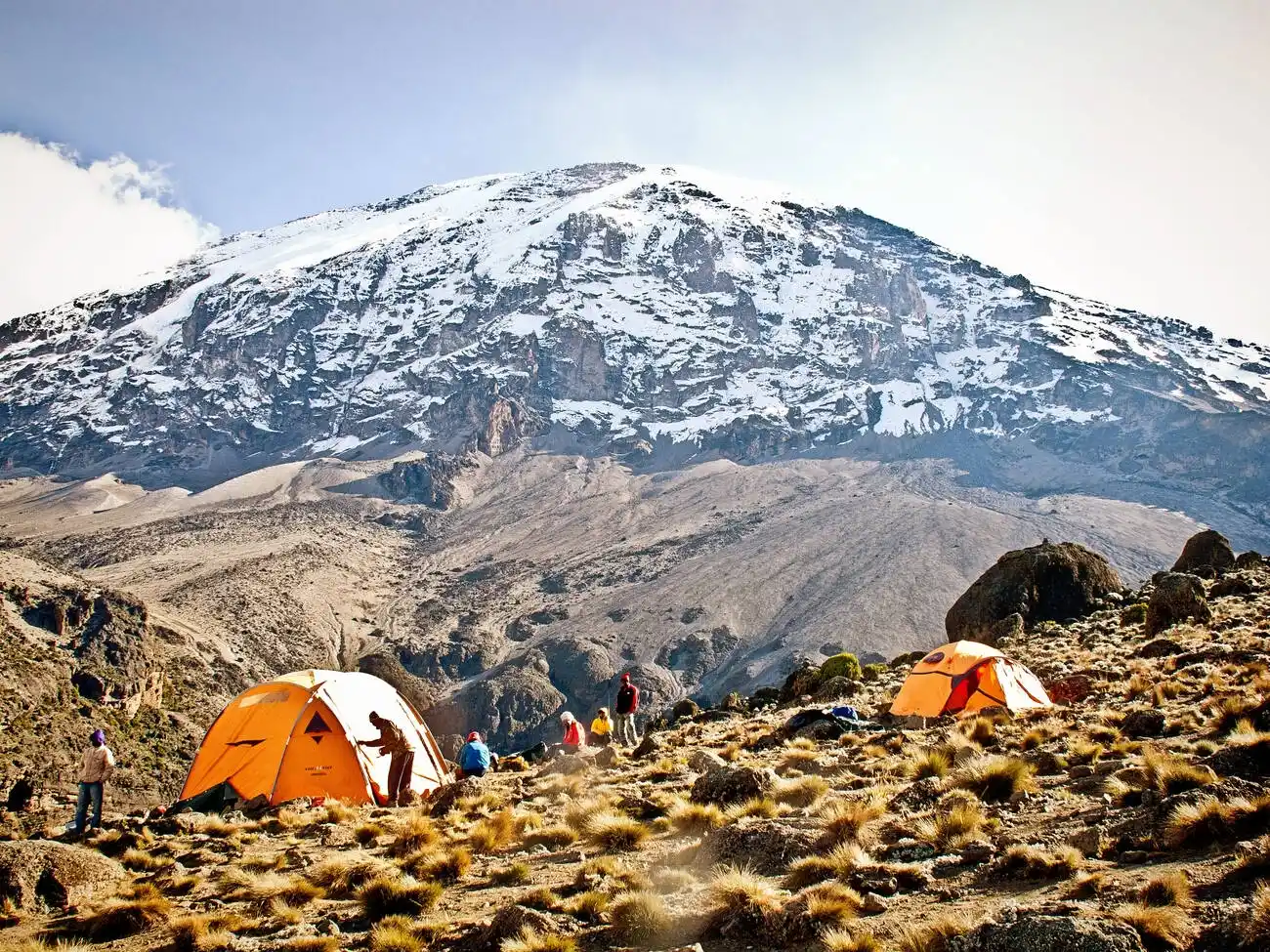
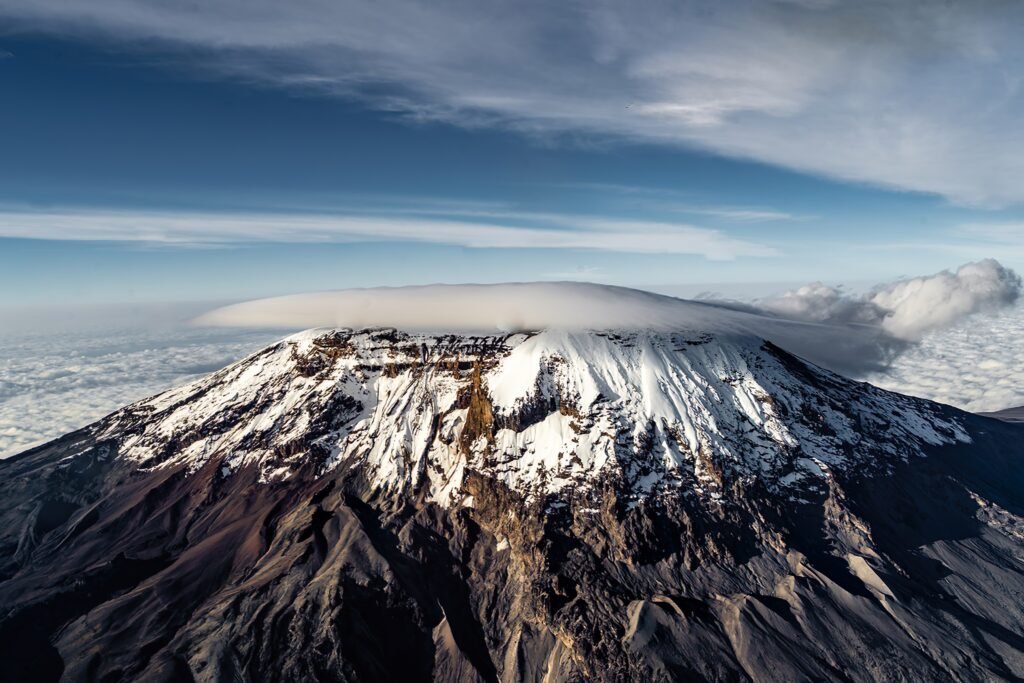
- A greener, quieter mountain. Fewer climbers, wildflowers out, and fresh snow on the summit more likely. Many photographers prefer it.
Our Machame 6-day and Machame 7-day treks run in this season with adjusted pacing and kit checks. In wet conditions, the extra acclimatisation day on the 7-day trip earns its keep even more than usual.
Should you still go, or wait?
- Go if your dates are fixed, a honeymoon, a charity climb, leave you cannot move, or if you have hiked in rain before and genuinely do not mind it. A quiet mountain may suit you better than a busy one.
- Wait for late January to February if this is a once-in-a-lifetime trip, your confidence depends on kind weather, or the summit view matters as much as the summit itself. That window is normally the short dry season between the rains, and it pairs beautifully with calving season in the southern Serengeti.
What about the Rongai route?
Kilimanjaro makes its own weather, and the northern side sits in a rain shadow. Rongai, approaching from the Kenyan border side, is generally the driest and quietest way up. We do not sell a set Rongai departure, so we will not dress this up as a product. But if you are set on climbing in the rains, ask us and we will talk honestly about whether it suits your dates.
How do you pack for a wet climb?
- Waterproof everything, twice. Dry bags inside your duffel and daypack. A pack cover alone is not enough. Dry socks are morale.
- A proper waterproof jacket and trousers. Not “water resistant”. You may wear them for hours.
- Broken-in boots with good tread, and gaiters for the forest days.
- Trekking poles. On wet descents they are close to essential.
- A buffer night in Moshi. Wet-season travel is slower. Sleep at the hotel after your descent and fly the next day, not the same evening.
The bottom line: a wet-season Kilimanjaro is not a spoiled Kilimanjaro. It is a different, wilder one. Go in with your eyes open. Tell us when you can travel and we will give you a straight answer on whether to climb then, even if that answer is “wait a month”.