Short answer: These four places do completely different jobs. Tarangire is elephants and baobabs. The Serengeti is scale and the great migration, but the right zone changes with the month. Ngorongoro Crater is the most concentrated game viewing in Tanzania, and your best chance of rhino. Lake Eyasi is not about game at all. It is a cultural visit with the Hadzabe hunter-gatherers and Datoga blacksmiths. Our 6-day safari visits all four. Here is how to think about each one.
| Destination | Known for | Best months | Time needed |
|---|---|---|---|
| Tarangire | Huge elephant herds, giant baobabs, predators | June to October | 1 to 2 days |
| Serengeti | The great migration, big cats, endless plains | Year-round, zone matters | 3 to 4+ days |
| Ngorongoro Crater | Dense game on the crater floor, best rhino chance | All year | 1 day |
| Lake Eyasi | Hadzabe and Datoga culture, not game | All year | Half to 1 day |
Tarangire: the elephant park
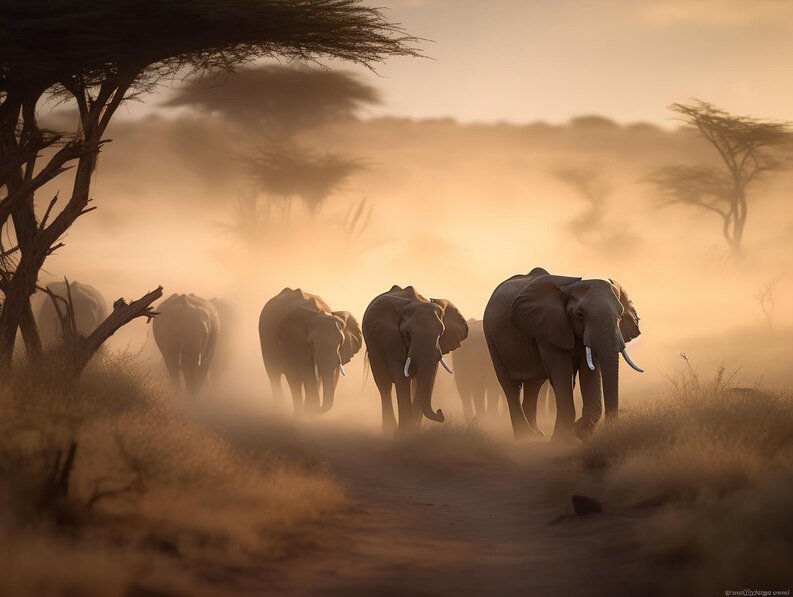
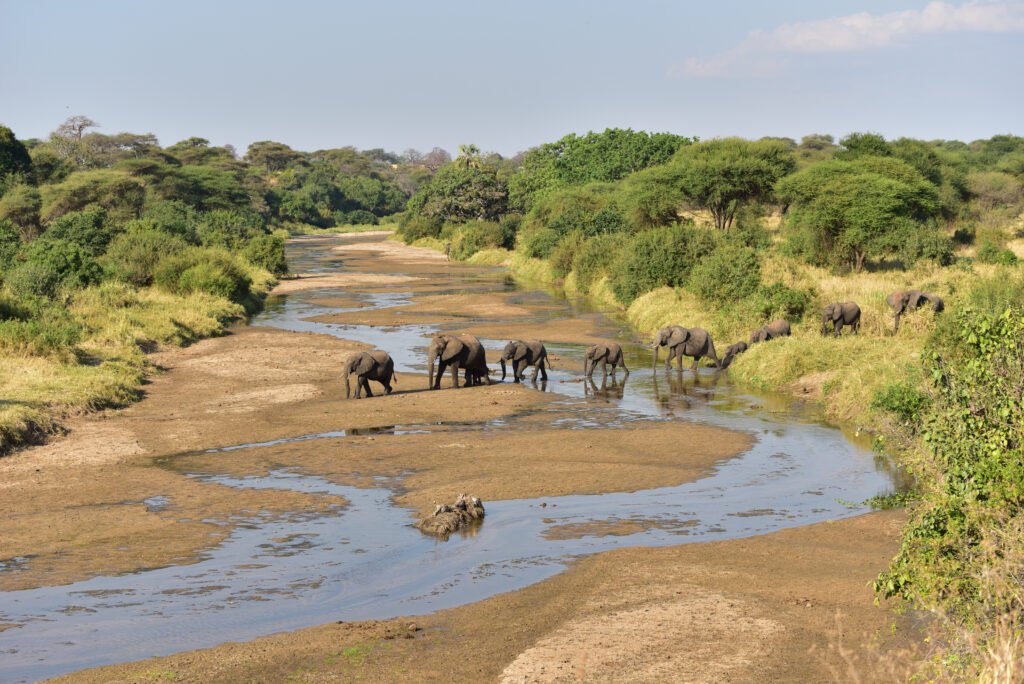
Tarangire is the quieter, connoisseur’s park. In the dry season, June to October, it holds some of the largest elephant herds in Tanzania, drawn to the Tarangire River as other water dries up. The ancient baobabs and golden grass are reason enough to go. One watch-out: in the green season the game spreads out, and the wooded areas have tsetse flies.
Serengeti: right place, right month
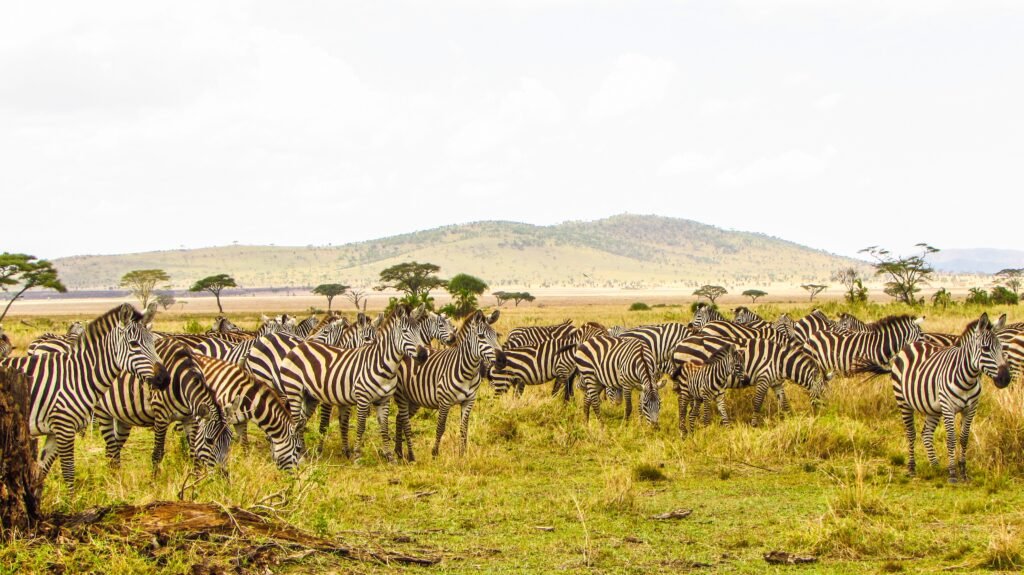
The migration moves in a rough annual cycle, so where you should be depends on when you come:
- December to March: the herds are in the south, around Ndutu, for calving. Thousands of calves are born within a few weeks, and the predators are close behind. February is the peak.
- April to June: the herds move north and west through the central Serengeti.
- July to October: the famous river crossings in the north.
- November: the herds turn south again as the short rains arrive.
Give the Serengeti at least two nights, ideally more. It is vast, and the drives between zones are part of the experience, not a transfer to rush.
Ngorongoro Crater: one perfect day
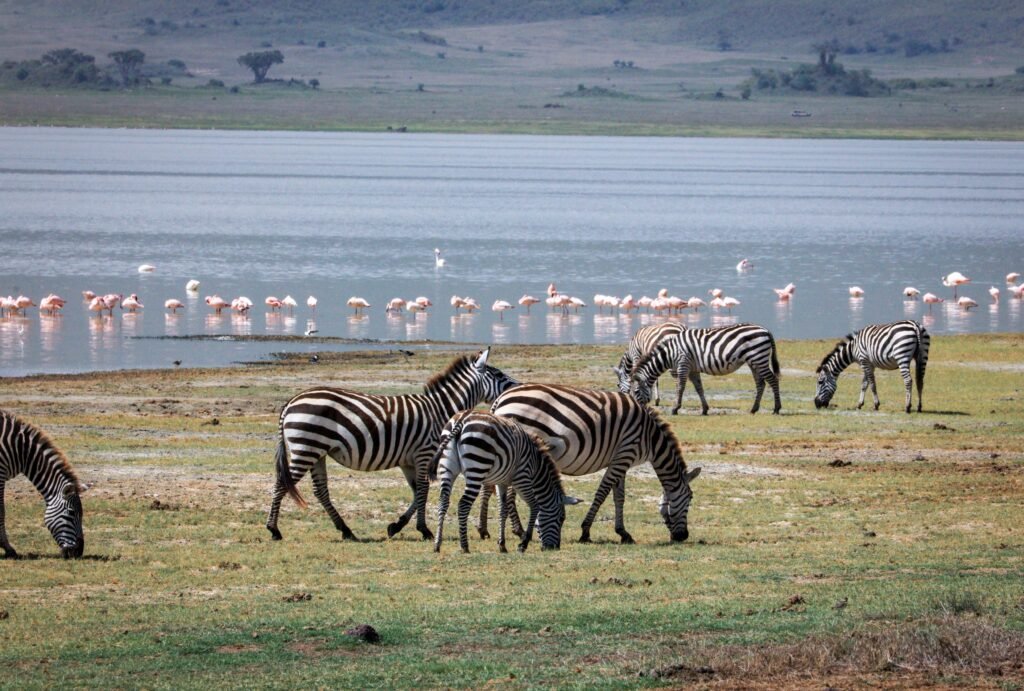
The crater floor is about 260 km² of enclosed, wildlife-dense country. The animals live there year-round, which makes Ngorongoro the most reliable single day of game viewing in Tanzania, including your best chance anywhere in the country of seeing black rhino. One day is the standard and it is enough: down in the morning, out by late afternoon. No operator can promise a particular animal, but the crater comes close. It can be busy at the gate in peak season, and cold on the rim at night.
Lake Eyasi: go for the people, not the animals
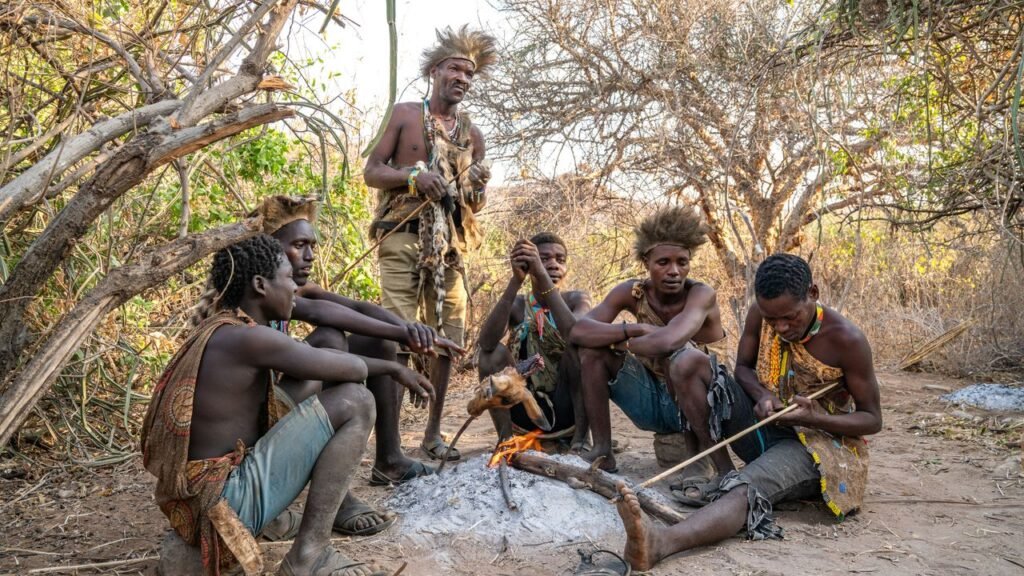
Eyasi is the stop guests underestimate, then talk about most. The Hadzabe are among the last hunter-gatherer communities in Africa. A visit usually means joining the men on an early-morning hunt, which means a pre-dawn start, then time in camp seeing how daily life works. Nearby, Datoga blacksmiths forge tools and jewellery over charcoal fires, using techniques passed down for generations.
Visit responsibly: go with a local guide who works with the community, ask before taking photographs, and accept no as an answer. These are people’s homes and lives, not a performance. Handled well, it is the most human day of the trip.
If you only have time for two, pick these
- First safari, short on time: Serengeti + Ngorongoro. Scale and spectacle, then the crater’s concentration. The classic pairing.
- Dry season, wildlife-focused: Tarangire + Serengeti. Peak elephants, then peak migration country.
- Culture matters to you: Ngorongoro + Lake Eyasi. A great game day and a great human day, close together, so driving time stays low.
Our 6-day safari links all four into one loop from Moshi, with camping nights, our own crew and cook. It is the trip we would design for a friend with a week. Fewer days? Tell us which two places you care about most and we will build around them. Tell us the month you are thinking of. The month decides the route advice we give you.